Why Infrared Sauna and Red Light Therapy Are Wellness's Hottest Duo
Discover how infrared sauna and red light therapy support muscle recovery, skin health, and overall wellness.
By Reta Lee
Walk into any modern gym, hotel spa, or recovery studio these days and you'll likely spot two things side by side: a wood-panelled infrared sauna and a panel of red-hued LED lights. Once niche biohacking tools, both have gone mainstream — and the growing body of research behind them suggests the hype isn't entirely unearned.
Heat That Works Differently
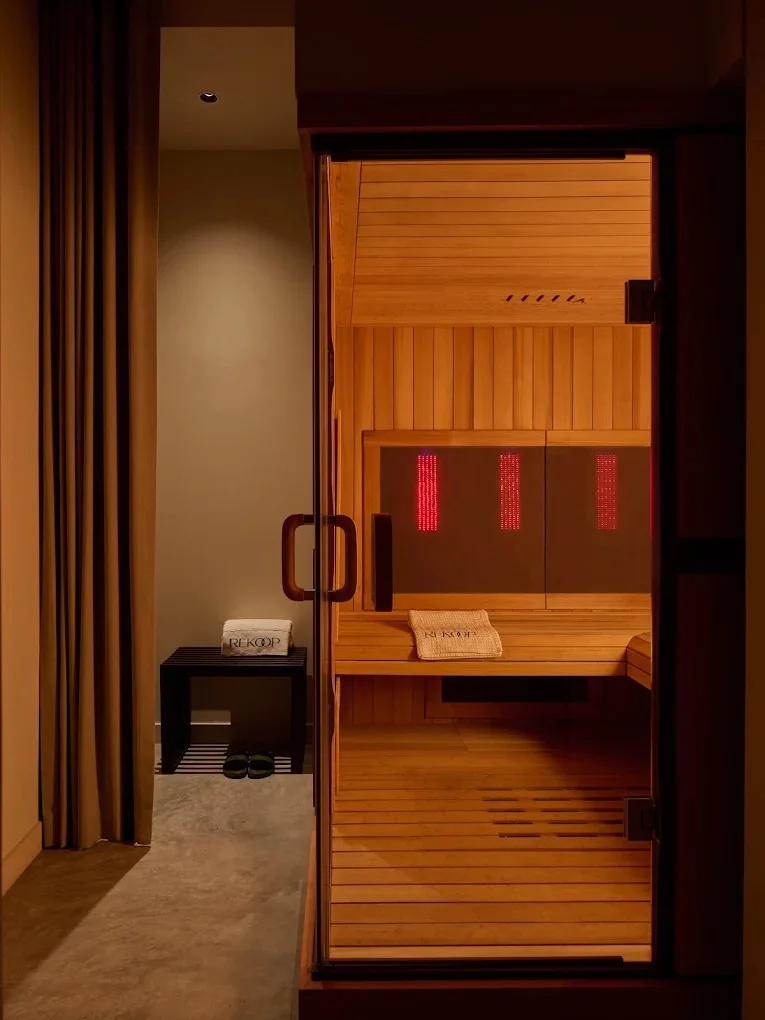
Traditional saunas heat the air around you. Infrared saunas skip that step, using infrared light to warm the body directly at a lower, more tolerable temperature. That distinction matters for recovery. The deeper tissue penetration is believed to increase blood flow and circulation, which can help ferry oxygen and nutrients to fatigued muscles while flushing out metabolic waste like lactic acid — the stuff behind that post-workout soreness.
Many professional athlete teams now build infrared sessions into recovery protocols, pairing the heat exposure with the same cardiovascular benefits associated with regular sauna use: improved circulation, reduced muscle stiffness, and a subjective sense of relaxation that can be just as valuable as the physiological effects, especially for sleep and stress management.
Red Light's Cellular Pitch
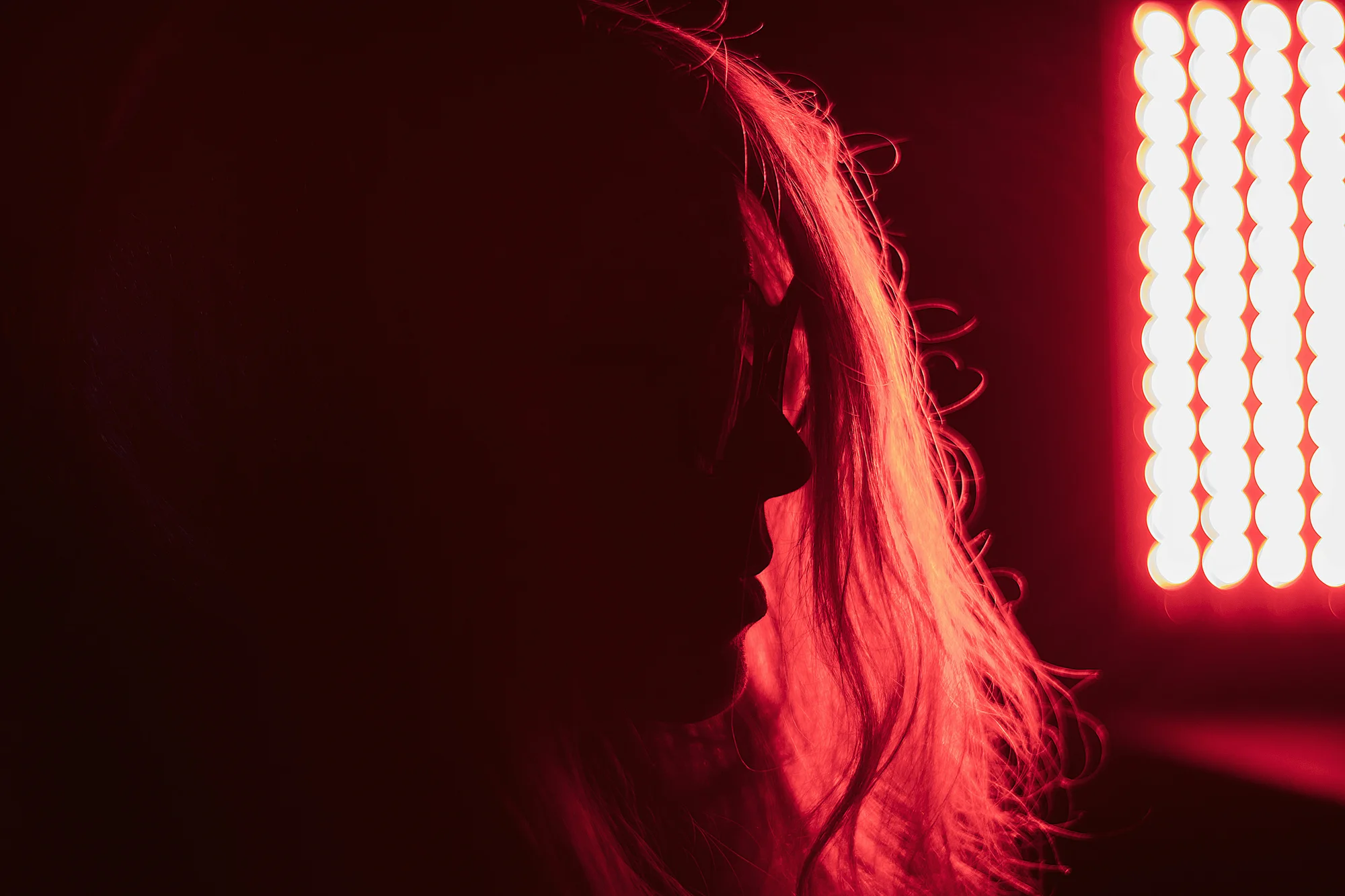
Red light therapy, sometimes called photobiomodulation, works on a different mechanism entirely. Low-wavelength red and near-infrared light is thought to stimulate mitochondria — the energy factories inside cells — potentially boosting the production of ATP, the molecule cells use for energy and repair. More cellular energy, the theory goes, means faster tissue repair and reduced inflammation.
For skin, this has made red light therapy a favourite in dermatology-adjacent wellness circles. Proponents point to increased collagen production, smoother texture, and reduced appearance of fine lines. Some small clinical studies have shown promising results for wound healing and mild acne, though researchers caution that at-home devices vary widely in strength and effectiveness compared to clinical-grade equipment.
Beyond Muscles and Skin
The reported benefits don't stop there. Some users turn to these therapies for joint pain relief, citing reduced stiffness in conditions like arthritis. Others use infrared sauna sessions as a mental reset — the quiet, screen-free time doubling as a mindfulness practice. Sleep quality, mood, and even immune function have all been floated as beneficiaries, though the evidence for these claims ranges from solid to still-emerging.
I started my protocol at REKOOP, combining both infrared sauna and red light therapy in a session that was a little over an hour and half. On top of that, I've combined 3-minute of cryotherapy once a week. Clocking in my protocol at over two months now, I've noticed faster muscle recovery and better, deeper sleep. This comes after my Everest Base Camp training, where I've combined weightlifting and exercising on inclined treadmills and stair master.
Another session I've tried is the dry float therapy at The Longevity Suite Singapore, at METT Singapore, where you lie on a dry, floating bed with hundreds litres of water without your body ever getting wet. This state offers you the benefits of reduced gravity, with a strong impact on regenerative well-being. Just an hour in this technology invoked a light dreaming state for me, but a longer protocol needs to be observed for other benefits like muscle recovery.
A Dose of Caution
Experts stress that infrared sauna use isn't advisable for everyone — pregnant women, people with certain cardiovascular conditions, or those sensitive to heat should consult a doctor first. Red light therapy, while generally considered low-risk, works best as a complement to — not a replacement for — established skincare and medical treatment.
Still, as recovery science continues to catch up with wellness trends, infrared and red light therapy occupy an increasingly credible middle ground for some of us who are looking to combine their training with recovery.